Стропы из текстильной ленты Они широко используются для подъема механизмов, стальных изделий, труб, оборудования и других тяжелых грузов. Среди различных доступных типов наиболее распространены стропы из цельной ленты и стропы из плоской ленты.
Оба изделия изготовлены из высокопрочной синтетической ленты, обычно полиэстера, но их конструкция различна. Это различие влияет на способ их крепления к грузу, на область применения и на то, для каких задач подъема грузов они лучше всего подходят.
Бесконечный строп изготавливается путем соединения двух концов стропы в непрерывную петлю.
На обоих концах стропа отсутствуют фиксированные подъемные петли. Вместо этого весь строп образует одну петлю, которую можно обернуть вокруг груза или соединить с подъемным оборудованием в соответствии с требуемой конфигурацией подъема.
Бесконечные текстильные стропы обычно используются в:
поднятие чокера
Подъем корзины
Общие правила обращения с материалами
Подъем грузов различной формы
Применение в тех случаях, когда необходимо часто менять положение стропа.
Одним из практических преимуществ является возможность вращения стропа во время использования. Это позволяет различным участкам ленты соприкасаться с грузом, что способствует равномерному распределению износа по стропу.
Плоский текстильный строп Изготавливается из плоской тканой ленты с подъемным ушком на каждом конце.
В зависимости от подъемного оборудования и области применения, проушины могут изготавливаться в различных вариантах, включая плоские, перевернутые и другие конфигурации.
Плоские текстильные стропы обычно используются для общих подъемных операций, где строп должен напрямую соединяться с крюком крана, скобой или другим подъемным элементом.
Типичные области применения включают подъем грузов:
Машины и оборудование
стальная продукция
Строительные материалы
Трубы
Промышленное оборудование
Готовая продукция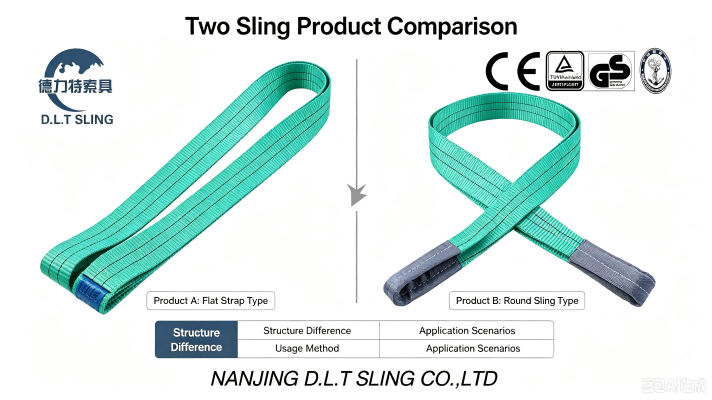
Основное различие простое:
Ан бесконечная стропа Это непрерывная петля, тогда как плоский текстильный строп имеет два конца с подъемными петлями.
Это конструктивное различие определяет способ позиционирования и соединения каждого стропа во время подъема.
| Особенность | Бесконечная стропа из тесьмы | Плоский текстильный строп |
|---|---|---|
| Строительство | Непрерывный цикл | Плоская тесьма с двумя концами |
| Подняв глаза | Нет неподвижных глаз | Поднимаю глаза с обоих концов |
| Гибкость | Высокий | Высокий |
| петля для чокера | Подходящий | Подходящий |
| Корзинный хомут | Подходящий | Подходящий |
| Вертикальный подъем | В зависимости от конструкции | Общее применение |
| Репозиционирование | Легкий | Более ограниченный |
| Типичное применение | Гибкие методы подъема и перемещения грузов. | Общий подъем |
Конструкция с непрерывным контуром обеспечивает ряд практических преимуществ.
Стропу можно расположить вокруг различных частей груза, не ограничиваясь неподвижными подъемными петлями.
При многократных подъемных операциях строп можно поворачивать, изменяя площадь контакта. Это помогает уменьшить концентрированный износ одного участка ленты.
В зависимости от заявленной производителем грузоподъемности и инструкций, бесконечные стропы можно использовать в конфигурациях с петлями и корзинами.
Синтетическая лента легче многих традиционных подъемных изделий, что делает строп удобным для переноски, позиционирования и хранения.
Плоские текстильные стропы широко используются благодаря своей простой конструкции.
Подъемные петли на обоих концах обеспечивают прямое соединение с крюками, скобами и другим подъемным оборудованием.
В зависимости от размера крюка и задачи подъема можно выбрать различные конфигурации петель.
Для обычных подъемных операций на заводах, складах, строительных площадках и в промышленности плоские текстильные стропы являются практичным выбором.
На стропе может быть наклеена прочная идентификационная этикетка с указанием такой информации, как допустимая рабочая нагрузка (WLL), длина, материал и применимые стандарты.
Выбор должен основываться на способе подъема, а не просто на названии стропа.
В тех случаях, когда строп необходимо обернуть вокруг груза и переместить во время подъема, более подходящим вариантом может быть бесконечный текстильный строп.
Плоский текстильный строп часто удобнее, когда для груза имеются подходящие точки подъема или когда требуется обычный двухсторонний строп.
Перед выбором стропы проверьте следующую информацию:
Вес груза
Требуемая предельная рабочая нагрузка (WLL)
Длина стропы
Ширина стропы
Конфигурация подъема
Размеры крюка или скобы
Форма нагрузки
Контакт с острыми краями
Рабочая температура и окружающая среда
Допустимая рабочая нагрузка (WLL) также может меняться в зависимости от конфигурации подъема. Строп, используемый вертикально, может иметь другую номинальную грузоподъемность по сравнению с тем же стропом, используемым в строповом или корзинном креплении.
Перед использованием всегда следует проверять этикетку производителя и таблицу допустимой нагрузки.
Синтетическая лента прочна и гибка, но может быть повреждена острыми краями, чрезмерным истиранием, воздействием высоких температур или химических веществ.
Перед каждым использованием осматривайте строп на наличие видимых повреждений, в том числе:
Порезы или разрывы
Чрезмерное истирание
Поврежденная строчка
Следы от нагрева или ожога
Химическое повреждение
Деформация
Поврежденные или отсутствующие этикетки
При подъеме грузов с острыми краями следует использовать соответствующую защиту кромок, чтобы предотвратить порезы или повреждения ленты.
Кроме того, когда стропы не используются, их следует хранить вдали от прямых солнечных лучей, влаги, химических веществ и чрезмерного тепла.
Компания Nanjing DLT Sling Co., Ltd. производит широкий ассортимент подъемных изделий из синтетического волокна, включая стропы из цельной ленты, стропы из плоской ленты, круглые подъемные стропы и подъемные стропы из HMPE/UHMWPE.
Наша ленточная подъемная продукция может поставляться различной ширины, длины, грузоподъемности, цвета, с этикетками и в различных вариантах упаковки в соответствии с требованиями заказчика.
Для подъемных строп из полиэстера изделия могут изготавливаться в соответствии со стандартом EN 1492-1 с коэффициентом запаса прочности 7:1 для соответствующих изделий.
Для дистрибьюторов, поставщиков подъемного оборудования и промышленных пользователей мы также можем предложить индивидуальные технические характеристики для различных задач подъема.
При сравнении строп из бесшовной и плоской текстильной ленты наиболее важным моментом является разница в конструкции и способе использования стропа. Выбор правильной конфигурации стропа и допустимой рабочей нагрузки (WLL) имеет решающее значение для безопасных подъемных работ.





 IPv6 ПОДДЕРЖИВАЕТСЯ СЕТЬЮ
 Электронная почта
: sales@dlt-sling.com
Электронная почта
: sales@dlt-sling.com
 Получить цену